

Ottawa's Walls Through 200 Years: The Street Art History Behind the Bicentennial City
Shaun McInnis painted Westboro's firefighters. Karole Marois painted Little Italy's immigrant families under a highway overpass. Claudia Gutierrez painted seeds breaking through concrete in the middle of a pandemic. In 2026, Ottawa turns 200 and its walls have been keeping score. This is the full history of public art in the capital: the artists, the policies, and how a grey city got its colour.
Before Bytown, before the Rideau Canal, this land has been home to the Algonquin Anishinaabeg people for thousands of years. The unceded territory now called Ottawa carries their presence in its rivers, its place names, and increasingly its walls. We tell this 200-year story with that longer history in mind.
In 2026, Ottawa turns 200. Two centuries ago, in 1826, Lieutenant Colonel John By staked out a rough lumber settlement near the Rideau and Ottawa rivers and called it Bytown. From that point on, the city grew into the country's national capital, a dynamic bilingual hub, and one of Canada's most interesting cities for outdoor public art.
But that last part didn't happen easily.
This is the story of how Ottawa went from restrictive municipal frameworks to a modern approach where public murals are embraced as essential infrastructure for neighborhood cultural placemaking.
Bytown's Blank Walls
For many years, painting a mural in Ottawa was less an act of creativity and more of a bylaw violation. Although the City of Ottawa and the Ottawa Police Service actively championed public art, citing it as one of the single most effective ways to deter unwanted graffiti and vandalism. On the other hand, the city’s actual legal frameworks made painting them a bureaucratic nightmare. The practical result, documented in detail by mural chronicler John Sankey, was stark:
Although Ottawa's economic engine has been dominated by non-governmental activity for many years, any attempt to stand out from the crowd is still frowned upon in the best civil service tradition and hit with bylaw infractions by the dozen. Until recently outdoor murals were present only in a few areas where a business improvement association succeeded in applying sufficient political pressure to defeat the bylaw bureaucrats [^1].
Ottawa was a city that treated art on walls as a problem to be managed rather than a resource that was cultivated and celebrated.
The Murals That Survived Anyway
Against this backdrop, the murals that did get made in Ottawa before 2010 are all the more remarkable. They exist because someone fought hard enough for them to stay up.
Shaun McInnis and the Walls of Westboro
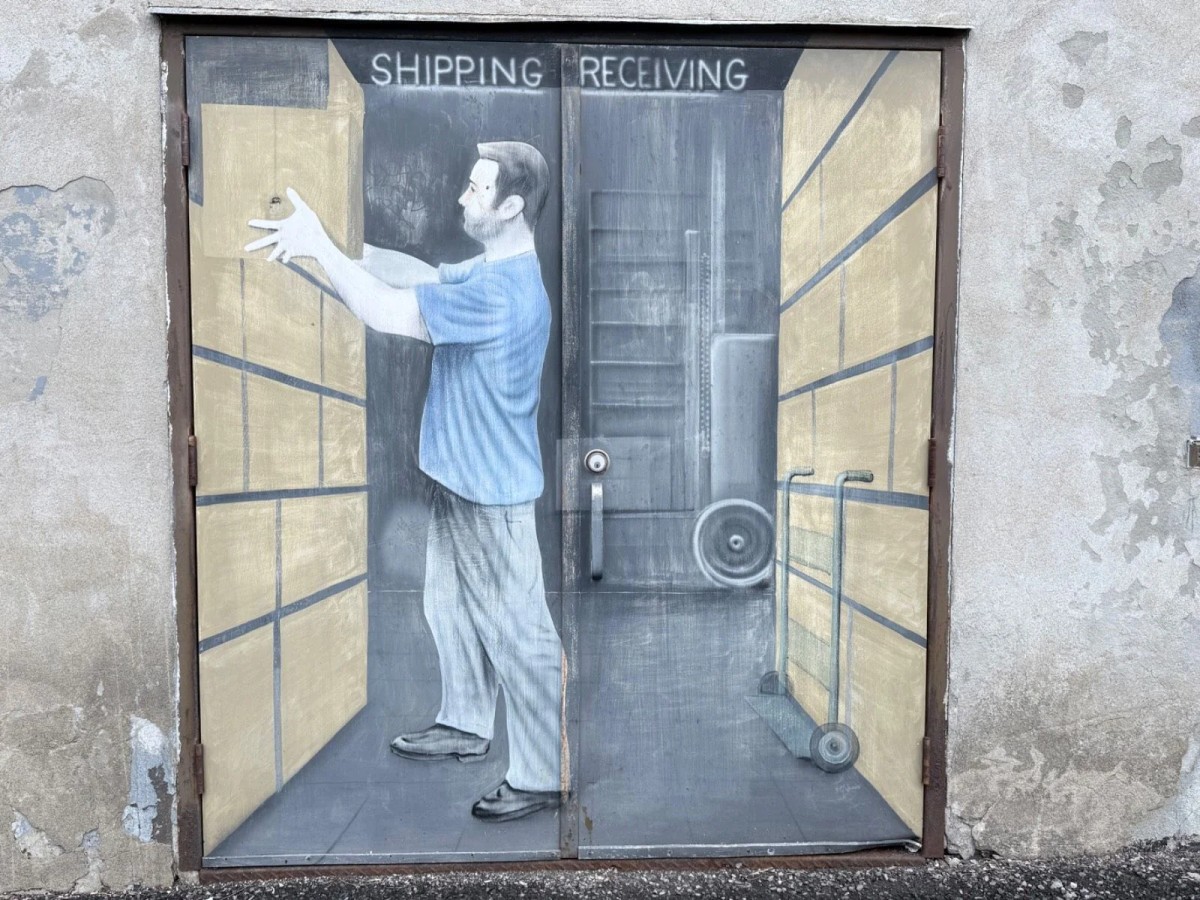
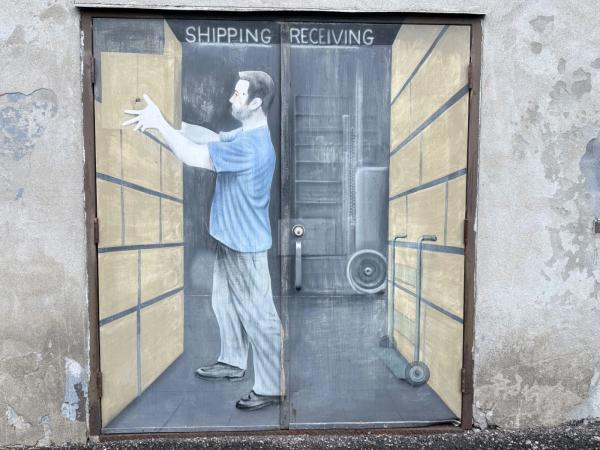
If you walk along Richmond Road in Westboro today, you'll notice a few murals depicting ordinary folks living their lives. These pieces are works of art by Shaun McInnis, a professional visual artist based in Ottawa.
McInnis was commissioned by Christine Leadman, then executive director of the Westboro BIA, in an early effort to reduce graffiti in the neighbourhood through murals.
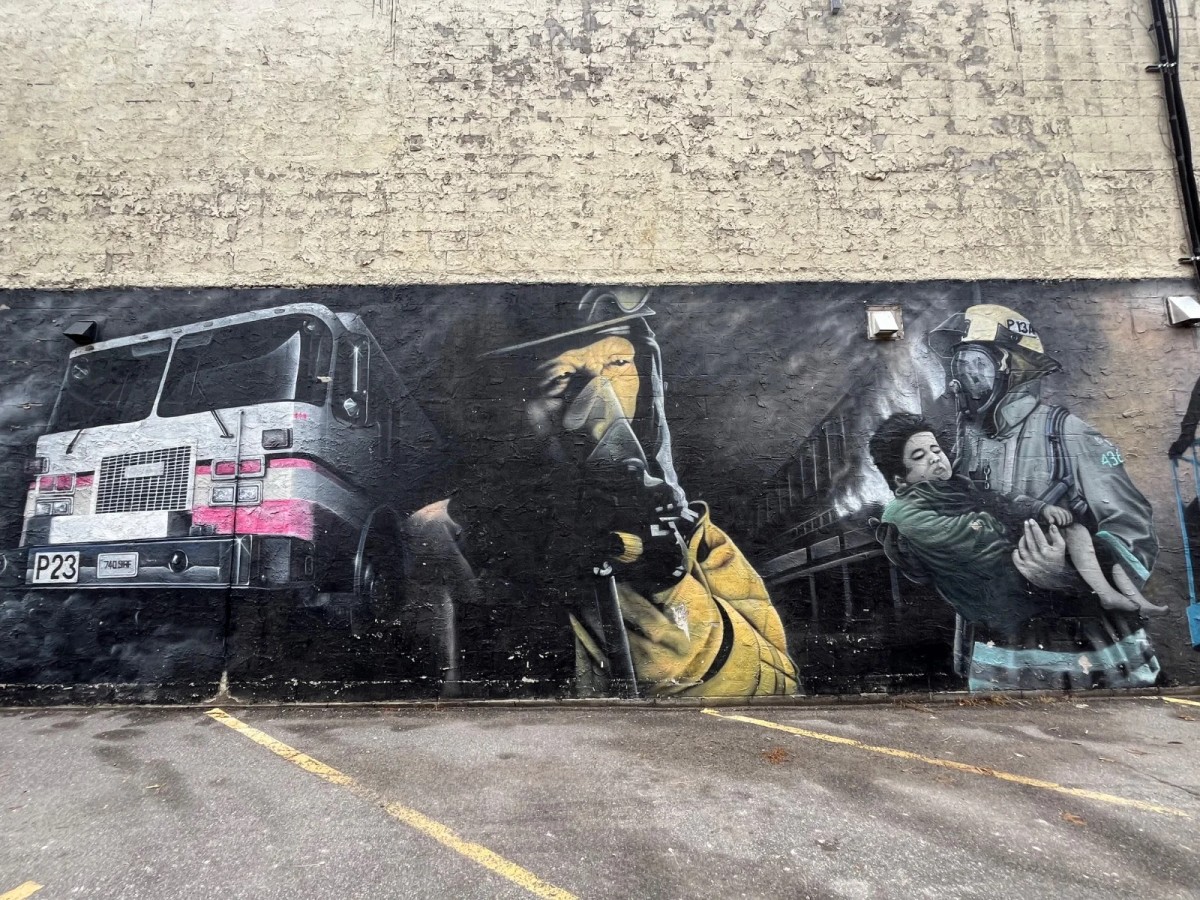
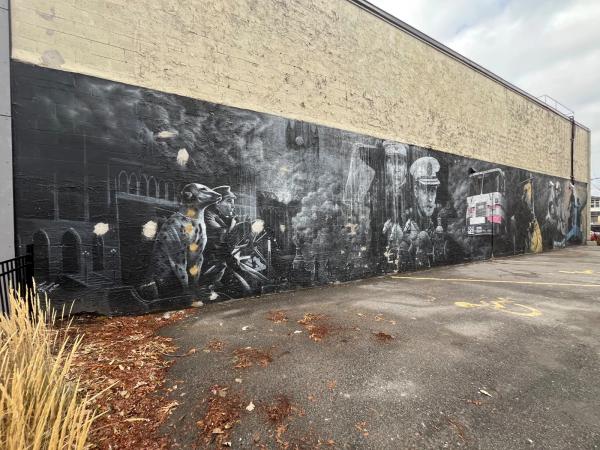
What emerged was something far richer than a graffiti-deterrence program. McInnis's Westboro murals are intimate, character-driven, hyperlocal documents of a community. Take for instance The Firefighters' Memorial Mural at 369 Richmond Road: a sweeping tribute to Ottawa firefighting, from the 1916 conflagration that consumed some of Parliament Hill's Centre Block to the fire engines of today.
Karole Marois and the Walls of Corso Italia
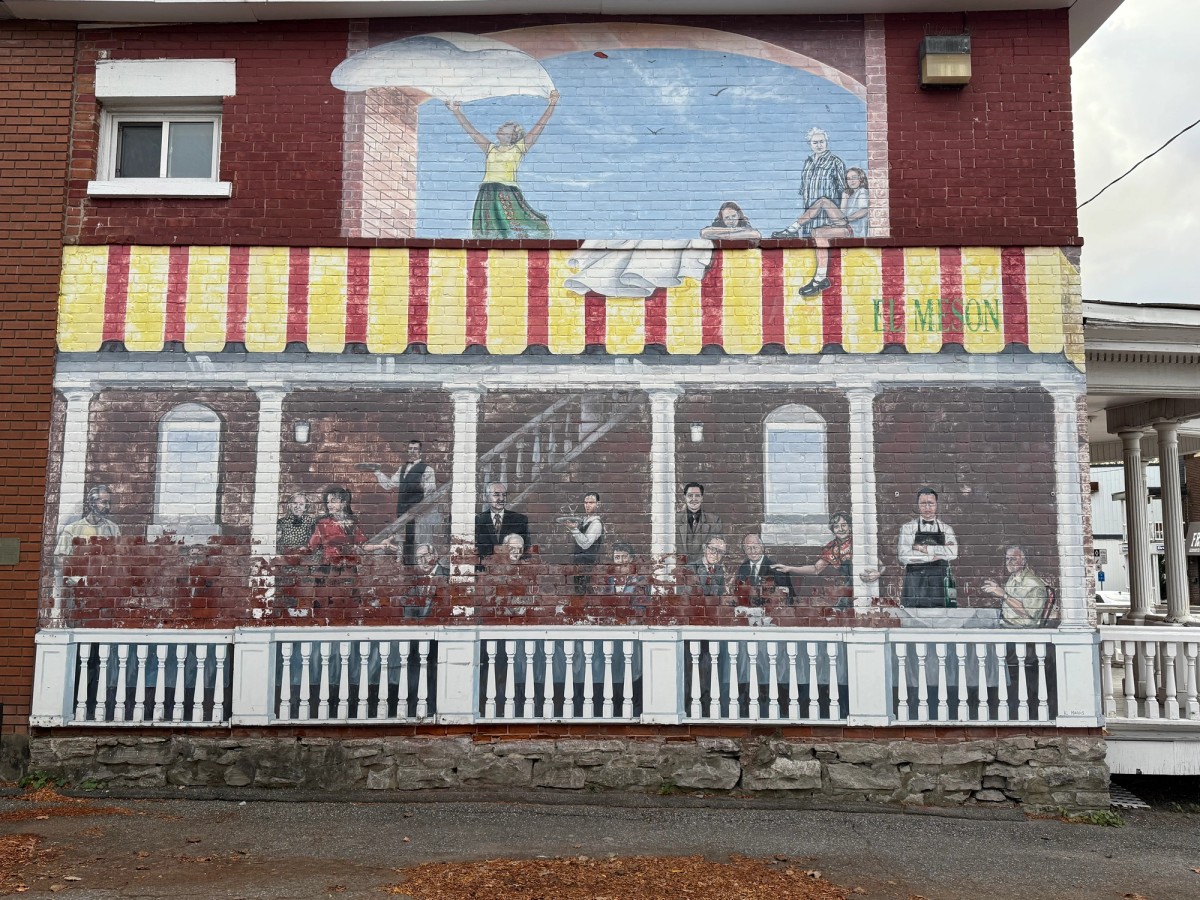
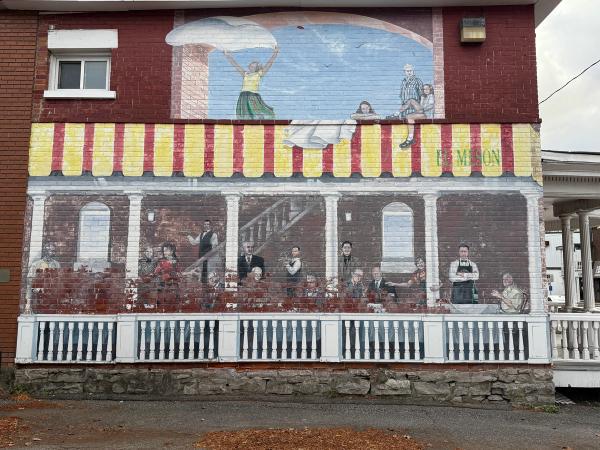
In 2007, artist Karole Marois painted what would become one of Ottawa's most celebrated public artworks: the Corso Italia Heritage Murals stretching across the concrete walls of the Highway 417 underpass on Preston Street in Little Italy.
The murals were also a policy landmark. They were reportedly the first murals ever permitted on an Ontario Ministry of Transportation structure! [^2]
Marois' mural has since been replaced by a new mural, see it at this link, here.
The Rideau Canal Underpass
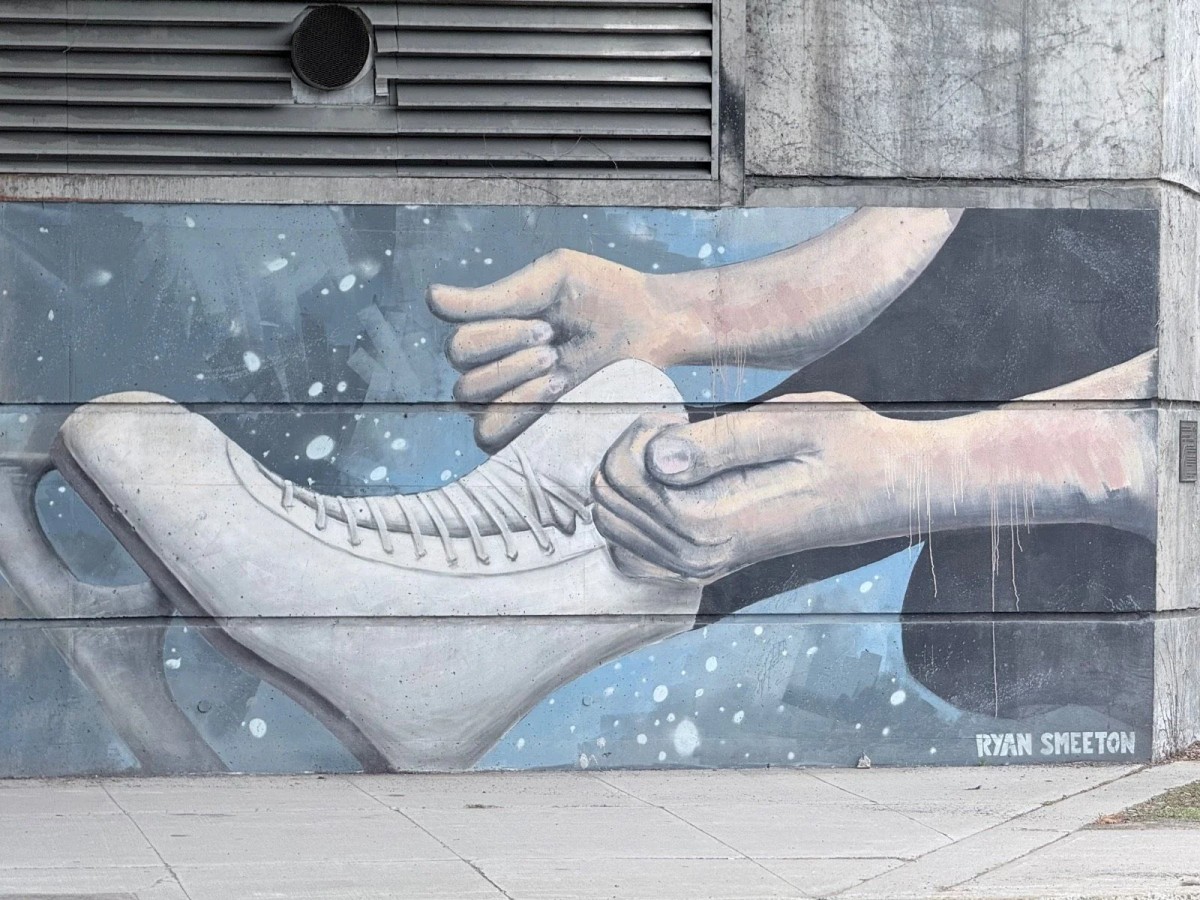
The Rideau Canal, built between 1826 and 1832 and designated a UNESCO World Heritage Site in 2007, is a core part of Ottawa and its culture. It comes alive as a corridor for runners and cyclists in the summer, and it transforms into the world's largest naturally frozen skating rink in the winter. Because this space is so integral to the city's identity, it is only fitting that the public art nearby mirrors those exact community traditions.
The east side of the canal carries a piece by Ryan Smeeton, whose signature style blends hyperrealistic form with abstract colour fields. Ryan describes his style as the meeting point between academic painting and abstract expression:
I come from a background of academic painting, how to paint realistically. But I'm also interested in abstract painting and colour relationship [^3]
The Policy Pivot
For years, getting a mural approved in Ottawa meant fighting city hall.
The Bob Dylan mural by Shaun McInnis, on the front of the Pour Boy Pub at 495 Somerset Street West became one of the most talked-about pieces in that fight. Painted on the Chinatown strip that would later become one of Ottawa's most vibrant mural corridors, it got tangled up in bylaw disputes before eventually being resolved in the artist's favour. The Ottawa Citizen ran the headline in May 2013:
Dylan mural no longer tangled up in bylaws [^4]
It was a small victory. But it was the kind of story that made people ask out loud: why is painting murals so hard?
Change came in pieces. In June 2008, the City amended By-law 2005-439 to open a narrow legal pathway for murals on graffiti-prone structures like utility boxes and bridge underpasses. [^5]
A 2009 Transportation Committee report followed with a formal Graffiti Management Program, proposing a wall registry, a Mural Guide, and paint supplier partnerships. [^6]
That became Paint It Up! in 2010, a partnership between the City and Crime Prevention Ottawa that reframed murals as graffiti deterrence and youth engagement.
It worked. By 2026, the program had engaged over 3,000 youth and funded 116 murals across the city. [^5]
The bigger shift came in 2022, when Ottawa passed a standalone Mural By-law (No. 2022-304), the first time murals had their own legal identity, separate from signs or graffiti. City-sponsored murals were exempted from permit fees entirely. [^6] A mural was no longer a sign pretending to be art. It was finally just a mural.
The Post-COVID Boom
The pandemic catalyzed something in Ottawa's relationship with public art that policy reform alone could not have produced: urgency. Today, murals are going up all over the city.
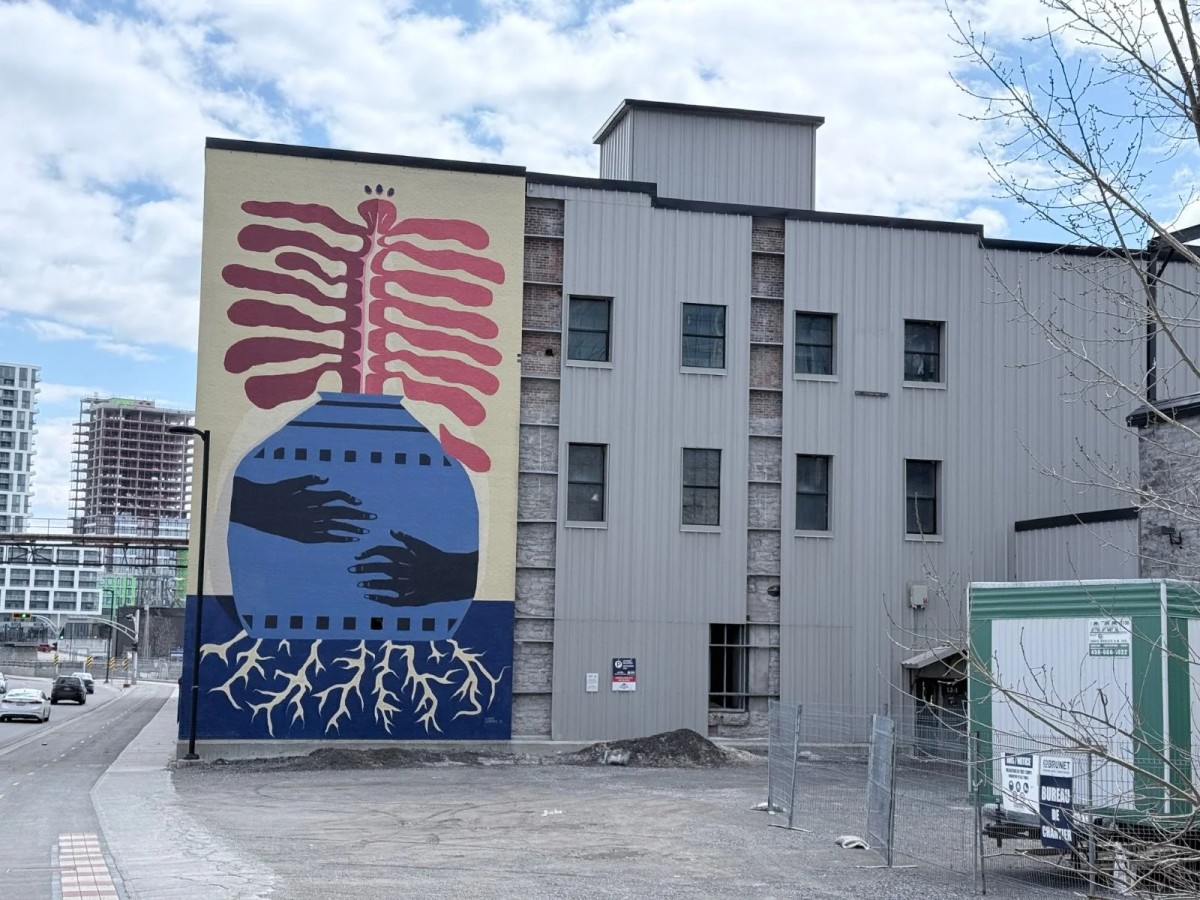
In August 2021, Ottawa-based Latin-Canadian artist Claudia Gutierrez painted "We Are Seeds" at the Zibi development site near the Ottawa River. Canadian Heritage described the mural as a direct response to the crisis:
The mural responds to this time of crisis by celebrating the restorative power of perseverance and resilience. As we cautiously look forward to a time of reactivation and regeneration, the single falling leaf reminds us of the fragility that will always persist."[^7]
Another Gutierrez piece, the Walrus Wall at 315 Somerset Street West offered a different kind of resilience. Created through the City of Ottawa's Paint It Up! program back in 2011, the mural is a collaboration between lead artist Claudia Gutierrez and Inuit youth artists Sabrina Taqtu Montague and Iola Lampron of the Inuuqatigiit Centre for Inuit Children, Youth and Families. Stylized walruses and traditional Inuit geometric patterns fill the wall in bold colour, a celebration of a community that has called Ottawa home for generations.
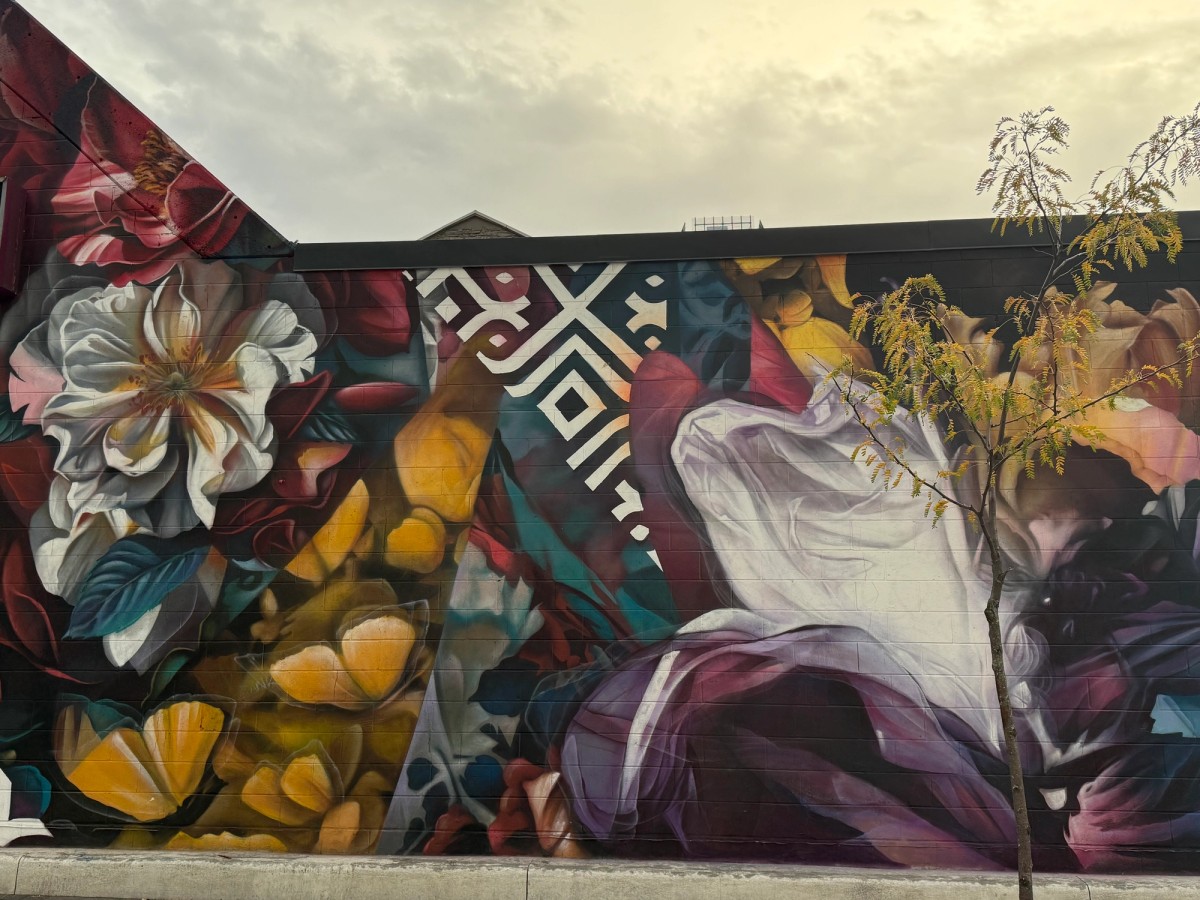
Across the city, a generation of artists took the pandemic as an invitation to paint. None have shaped more walls in post-COVID Ottawa than Anaïs Labrèque and Dominic Laporte, the co-founders of DRIFT Mural Co.
From the Glebe to Chinatown, their large-scale works have become landmarks of the new Ottawa streetscape.
Together, they describe their mission as
using large-scale public art to build vibrant communities and celebrate local identities [^8]
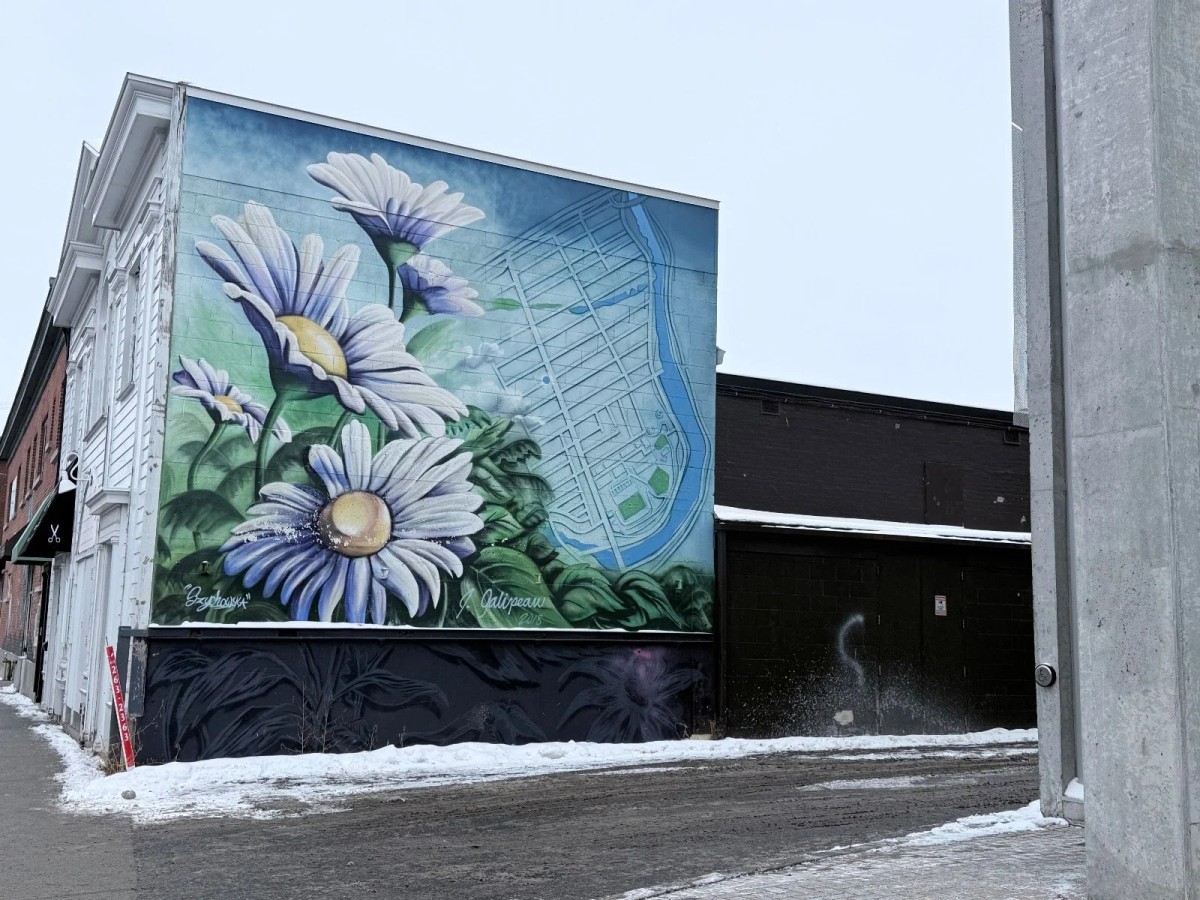
They were not alone. Across Ottawa, a generation of artists was already filling the walls. Dom Laporte painted health-care workers on Bank Street at the height of lockdown. Daniel Martelock covered Hintonburg in birds and birdhouses. Ryan Smeeton pushed abstraction across underpasses and laneways. Mique Michelle brought graffiti-as-activism to walls across the city. Kalkidan Assefa (Drippin Soul), Jimmy Baptiste, Dems and Doll, Cassandra Dickie, Kina Forney, Jocelyn Galipeau, Karole Marois, Sabrina Taqtu Montague, Lola Lampron, and dozens more were transforming neighbourhoods one wall at a time, from Inuit culture on Centretown concrete to Hintonburg laneways to the ByWard Market. Ottawa had always had artists. After COVID, it finally had walls to match.
Ottawa's Walls in 2026
The Bytown 200 celebrations unfolding across 2026 carry that energy into a new frame. The City's official theme, "Celebrate Together," encompasses Indigenous commemorations, Franco-Ontarian cultural programming, heritage exhibitions, and public art activations across Ottawa.[^9] Two hundred years of identity, playing out in part on walls.
There have never been more murals in Ottawa, and they have never been easier to find. Check out the Ottawalls Mural Map to explore public art across the city, and contribute to our archive to help keep the celebration alive.
Sources
[^1]: Sankey, John. "Outdoor Murals of Ottawa Canada." johnsankey.ca (personal documentation archive, ongoing). Quotations drawn from the site's overview and Westboro sections.
[^2]: Ottawa Life Magazine. "Ottawa Murals, Top Areas to Scope Out Street Art." ottawalife.com, July 2023: "The mural was a big step in the murals as public art movement, the first to be permitted on an Ontario Ministry of Transportation structure."
[^3]: Hintonburg Connection. "Local Mural Artist's Ever-Changing and Evolving Style." hintonburgconnection.com, April 28, 2021. Direct quote from Ryan Smeeton.
[^4]: Ottawa Citizen. "Dylan mural no longer tangled up in bylaws." Ottawa Citizen, May 15, 2013. Archived at PressReader: pressreader.com/canada/ottawa-citizen/20130515/282316792557278.
[^5]: City of Ottawa Newsroom. "Applications Are Now Open for the 2026 Paint It Up! Program." ottawa.ca, January 7, 2026. "Since 2010, Paint It Up! has engaged more than 3,000 youth in completing 116 murals across Ottawa."
[^6]: City of Ottawa. Ottawa Mural By-law No. 2022-304. ottawa.ca. "Murals funded by a City Sponsor are exempted from the fees under this by-law."
[^7]: Canadian Heritage. "Temporary Exhibits — We Are Seeds." canada.ca. Full description of the mural, artist biography, and direct quote about the mural's pandemic-response intent.
[^8] DRIFT Mural Co. About page. driftmurals.com. October 2025. Mission statement and portfolio details confirmed across both sources.
[^9] City of Ottawa. "Ottawa 200 Celebrations." ottawa.ca. Confirms Bytown 200th anniversary date (September 26, 1826), theme "Celebrate Together."
Lowertown
Discover more murals in this area
Featured Murals

Untitled
By Dems & Doll
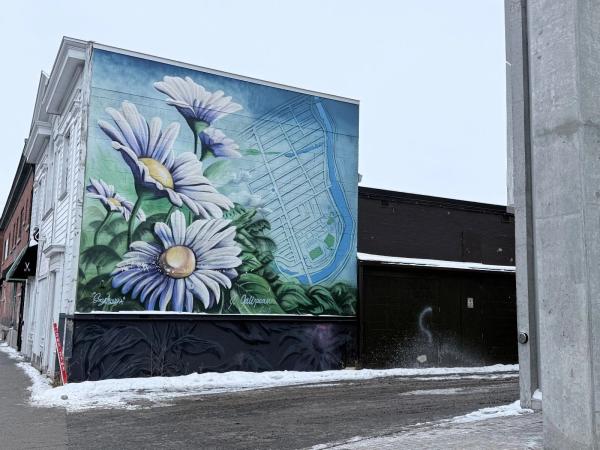
Unknown (Glebe Map)
By Jocelyn Galipeau
Untitled
By Shaun McInnis
Firefighters Memorial
By Shaun McInnis
Vanier's Last Council
By Karole Marois
Untitled
By Unknown / Inconnu
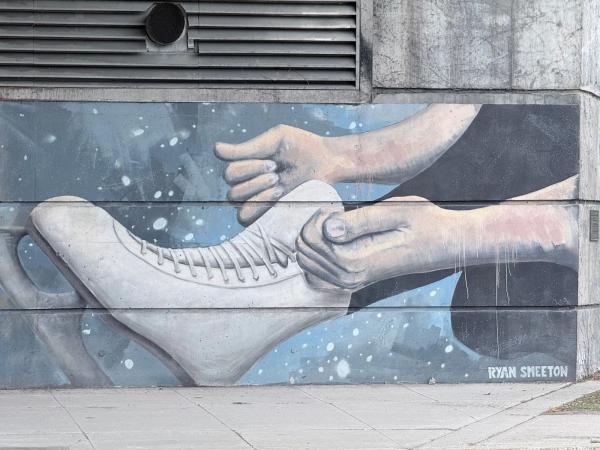
Untitled
By Ryan Smeeton
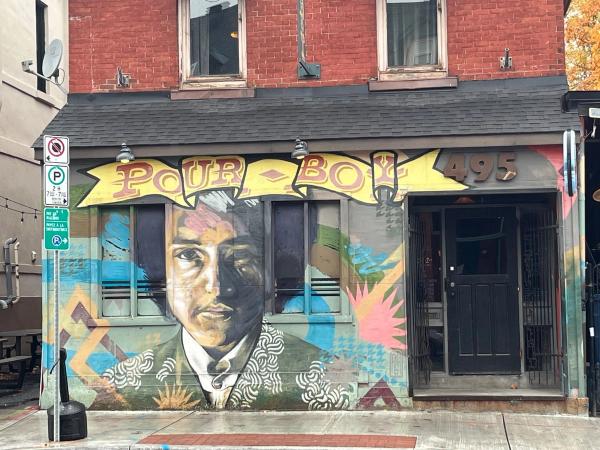
Bob Dylan
By Shaun McInnis
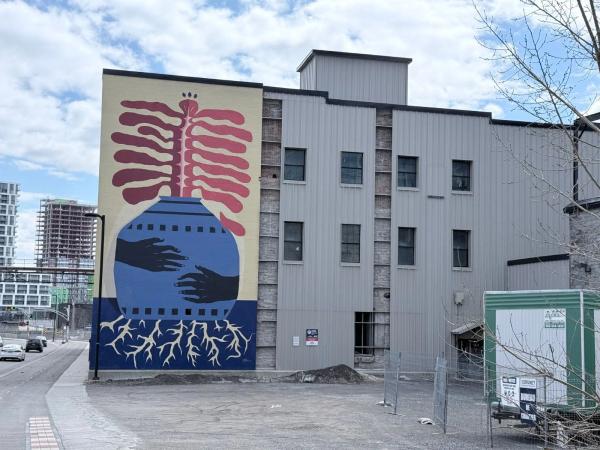
We Are Seeds
By Claudia Gutierrez + Kiana Meness
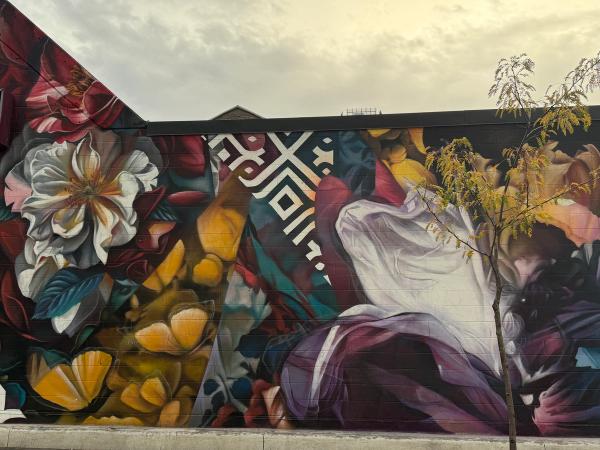
Still in Motion
By Dom Laporte
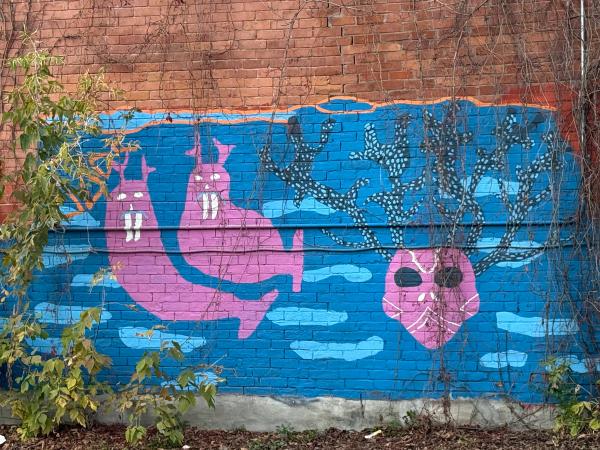
Walrus Wall
By Claudia Gutierrez + Sabrina Taqtu Montague + Lola Lampron